Streptococcus pyogenes
On this page
Background
Streptococcus pyogenes is a Gram-positive coccus that forms chains and is catalase-negative. It is a facultative anaerobe and exhibits beta-haemolysis on blood agar (complete red cell haemolysis). It belongs to Lancefield Group A and is commonly referred to as Group A Streptococcus (GAS).Key virulence factors include:
- M protein (anti-phagocytic)
- Streptolysins O and S
- Hyaluronidase
- Streptokinase
- Pyrogenic exotoxins responsible for toxin-mediated syndromes.
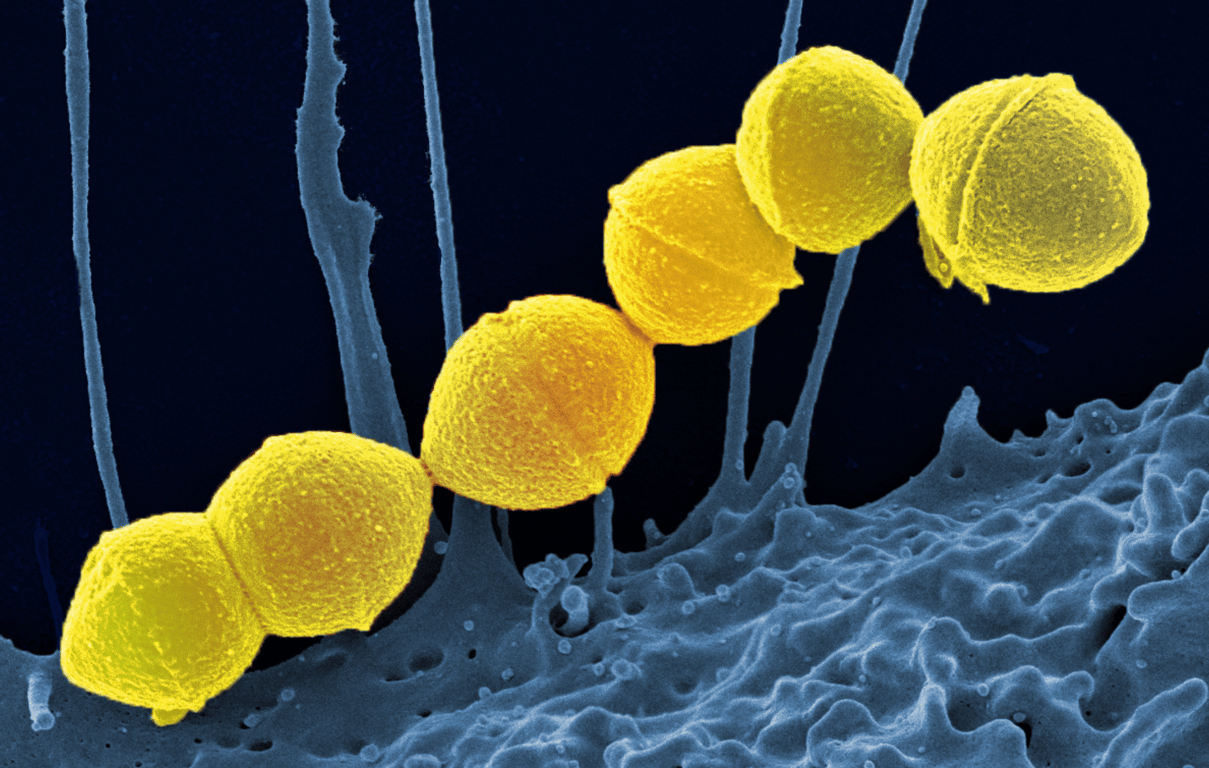 | |
False-color scanning electron micrograph of chain of Streptococcus pyogenes bacteria (yellow). Click on image to enlarge
Transmission:
Streptococcus pyogenes is frequently carried asymptomatically in the nasopharynx and on the skin, particularly among children. Transmission priamrily occurs via respiratory droplets but may also occur through direct contact with infected secretions or contaminated surfaces.Clinical Manifestations:
Streptococcus pyogenes causes a wide variety of clinical presentations:Local Infections:
GAS causes pharyngitis, tonsillitis, otitis media, sinusitis, peritonsillar abscesses, and occasionally pneumonia or meningitis. Skin and soft tissue infections include impetigo, erysipelas, cellulitis, necrotising fasciitis, septic arthritis, and osteomyelitis.Toxin-mediated illnesses:
These include:- Scarlet fever
- Streptococcal toxic shock syndrome
- Puerperal (postpartum) sepsis.
Post-infectious Immune-mediated sequelae:
Notable complications include rheumatic fever, post-streptococcal glomerulonephritis (PSGN), and erythema nodosum. These result from immune cross-reactivity following untreated or partially treated infections.
Diagnosis:
Diagnosis is typically confirmed via throat swab culture or rapid antigen detection tests. ASO titres can support the diagnosis of post-streptococcal syndromes.Treatment:
- Penicillin V or amoxicillin is the first-line therapy for uncomplicated infections.
- Severe cases may require intravenous benzylpenicillin.
- Macrolides like azithromycin are suitable alternatives in penicillin-allergic patients.
- Clindamycin may be added in severe, toxin-mediated disease to inhibit exotoxin production.
Prevention:
Prompt treatment of pharyngitis helps prevent rheumatic fever. Good personal hygiene and proper wound care reduce skin-to-skin transmission.